

PROJECT: COURSE ARCHIVE
Complete an ARCHIVE of all your work this semester. This should be an archive of your submitted work.
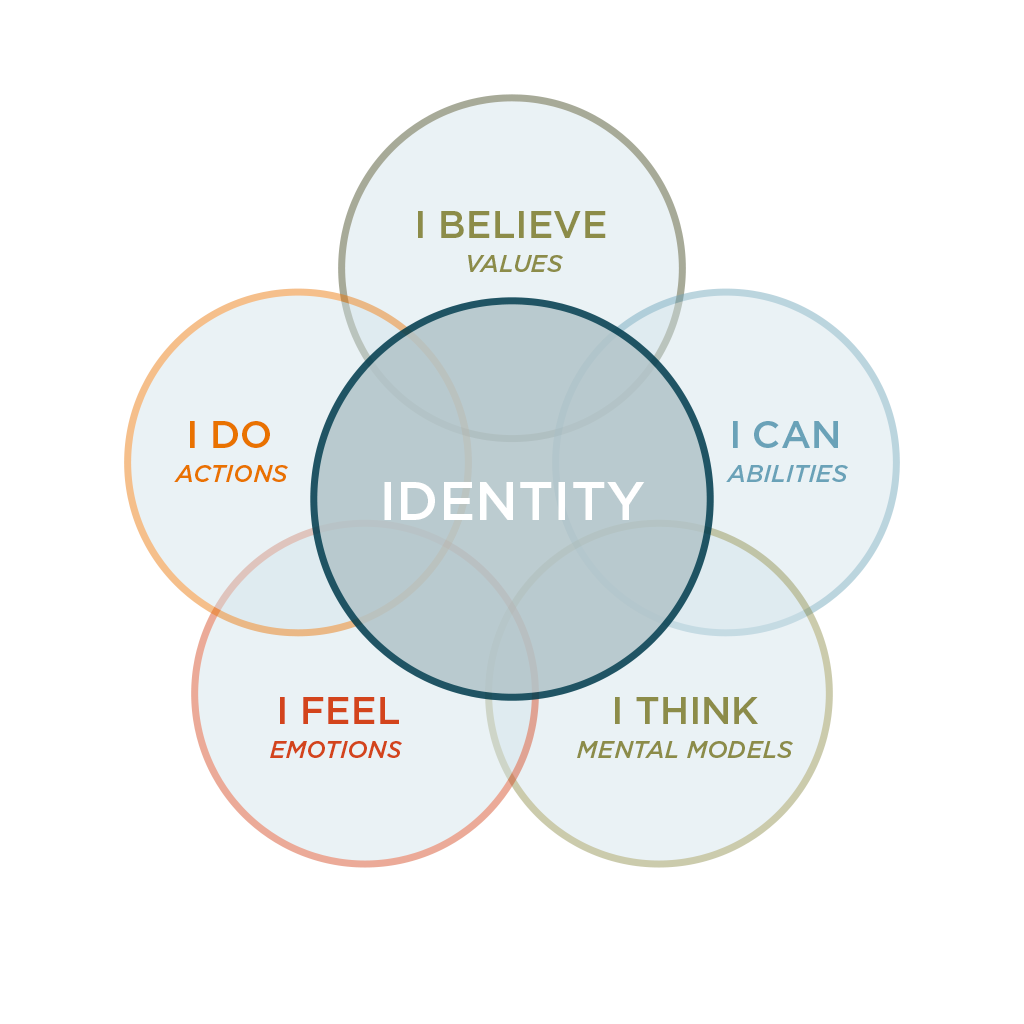
PROJECT: IDENTITY
Respond to the prompt: what is your identity as a designer by completing the tasks below.
Investigation:
What are your values?
What is your purpose?
What is your vision?
What is your mission?
What does your future look like?
Due Date:
Your ARCHIVE pages are due FEB 22nd by end of the business day.
Deliverables:
All work should be formatted into your ARCHIVE and submitted as a single PDF to D2L.
Grading:
Grading will be completed on a failing, approaching, meeting and exceeding basis. See the grading section of the GRADING page for more information.
PROJECT: RESPOND
Respond to the prompt provided in class. Date and prompt below.
1.19.26 - Interest Rate / Heart Rate
Read
Respond by answering the following question in 500 words.
Given the reading, what is your stance on the “heart rate” of architecture and how does a conversation of interest rate matter?
1.26.26 - Reimagining Architectural Education
Read
Respond by answering the following question in 500 words.
2.2.26 - Lecture Response
2.9.26 - Podcast Review
Listen to one podcast from one of the podcast below
Produce a three minute speech for the next week.
2.4.26 - Personal Statement
Respond to the following:
I help [WHO] achieve [WHAT] by [HOW].
Suggested reading:
The Elements of Style by Strunk & White
This is the non-negotiable basics of clear writing. It’s short, no fluff, and teaches simplicity and precision — exactly what students need to cut clutter.
Amazon: https://www.amazon.com/dp/020530902X/
Writing That Works by Kenneth Roman & Joel Raphaelson
This book is literally a how-to for workplace communication — memos, emails, reports, proposals. It’s practical and geared toward real messages, not theory.
Amazon: https://www.amazon.com/dp/0060956434/
Presentation Zen by Garr Reynolds
Forget PowerPoint fluff. This teaches how to present ideas visually and verbally with clarity and impact — perfect for crits and client presentations.
Amazon: https://www.amazon.com/dp/0321811984/
2.9.26 - Lecture Response - Sean Wheeler
Identify 5 points on interest from the lecture and explain why.
Thinking about those 5 points of interest expand on why or how you think they are important to your future self.
3.17.26 - Lecture Response - Melita Morales
Respond to the lecture
Respond to the three posed during the lecture
3.24.26 - Lecture Response - Juaquin Tobar
Respond to the lecture.
Update your 5 year response.
4.1.26 - Lecture Response - Kaleb Germinaro
Respond to lecture
Lecture Response - Jacob Weiner
Respond to lecture

PROJECT: PODCAST
Produce one episode of a pod casts about one of the topics below:
Architecture School: Studio or Laboratory
Explores the studio as a space for production and critique versus experimentation, research, and speculative inquiry.Architecture School: Tradition or Transformation
Considers the balance between inherited pedagogies and the need to evolve curricula in response to social, technological, and environmental change.Architecture School: Training or Education
Questions whether architectural education prioritizes technical proficiency and professional readiness over critical thinking, ethics, and broader intellectual development.Architecture School: Gatekeeper or Gateway
Examines the role of architecture school in reinforcing exclusionary norms versus expanding access, representation, and alternative paths into the profession.Architecture: Author or Advocate
Examines the architect’s role in representing communities, clients, and marginalized voices versus asserting individual authorship.Architecture: Expert or Facilitator
Explores knowledge hierarchies, participatory design, and when architects lead with expertise versus enabling others to shape outcomes.Architecture: Service or System
Considers architecture as a professional service versus an embedded component of broader social, political, and economic systems.Architecture: Product or Process
Focuses on outcomes versus methods, emphasizing iterative design, negotiation, and long-term engagement over final form.Architecture: Social Good or Capital Investment
Explore if architecture is a social good or simple a capital investment.
DELIVERABLES:
Each group should develop a podcast that is no shorter than 20 minutes. The production of the podcast can be in any format or style, but should be bound by real world examples, readings, interviews, news clips, etc.
Each group should have no less than 4 supporting sources listed in a standard bibliography.
This should be documented in your ARCHIVE via:
Pictures of the “podcast studio”
Transcript of the conversation
Public or private posting on a source of your choice
Bibliography
Extra credit will be awarded for any group who interviews an individual who can add context and knowledge to the topic (approval required).
DUE DATE:
Your ARCHIVE pages and link are due by APR 5th by end of business day.
GRADING:
Grading will be completed on a failing, approaching, meeting and exceeding basis. See the grading section of the GRADING page for more information.
DELHI KIOSK
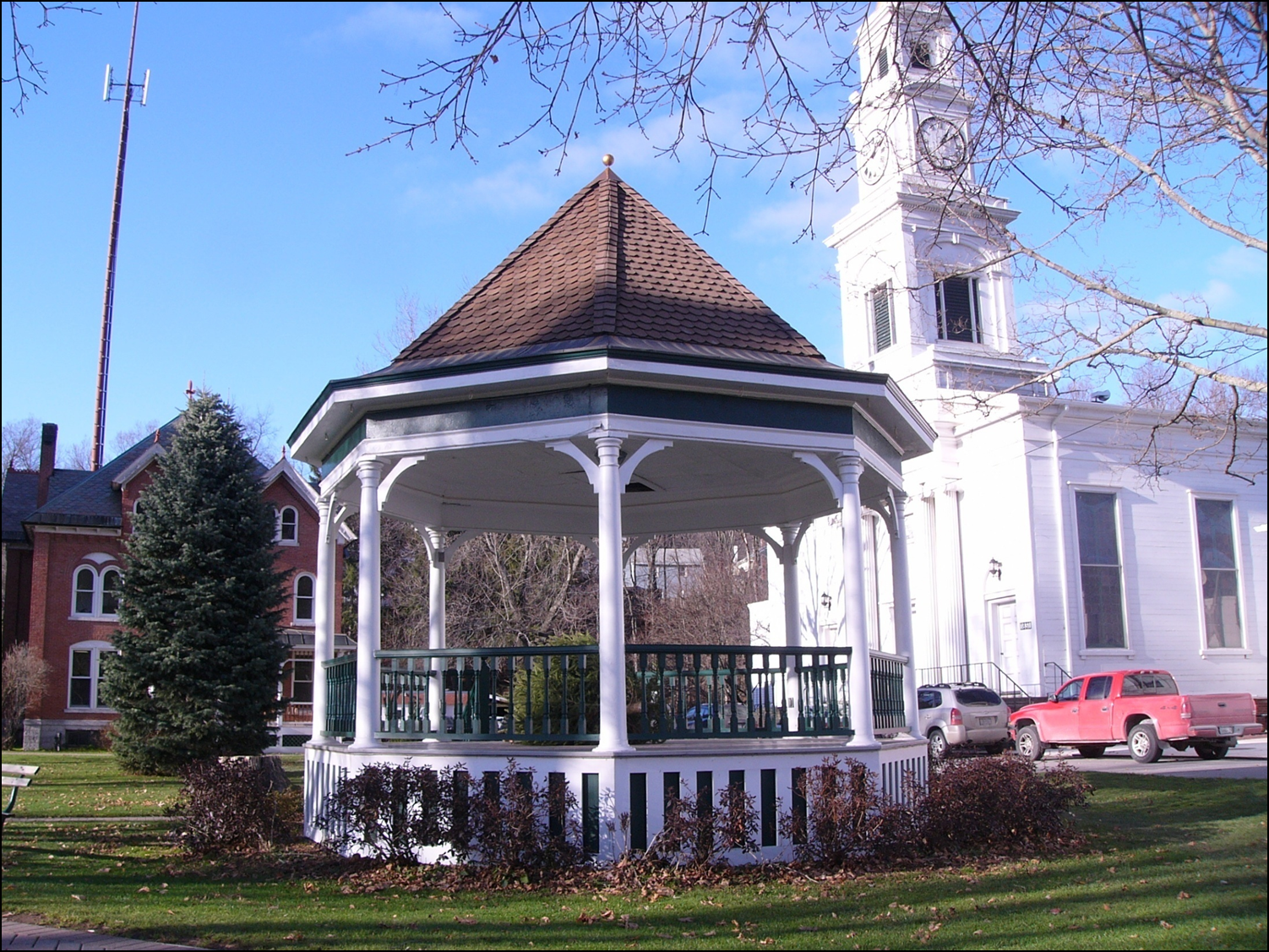
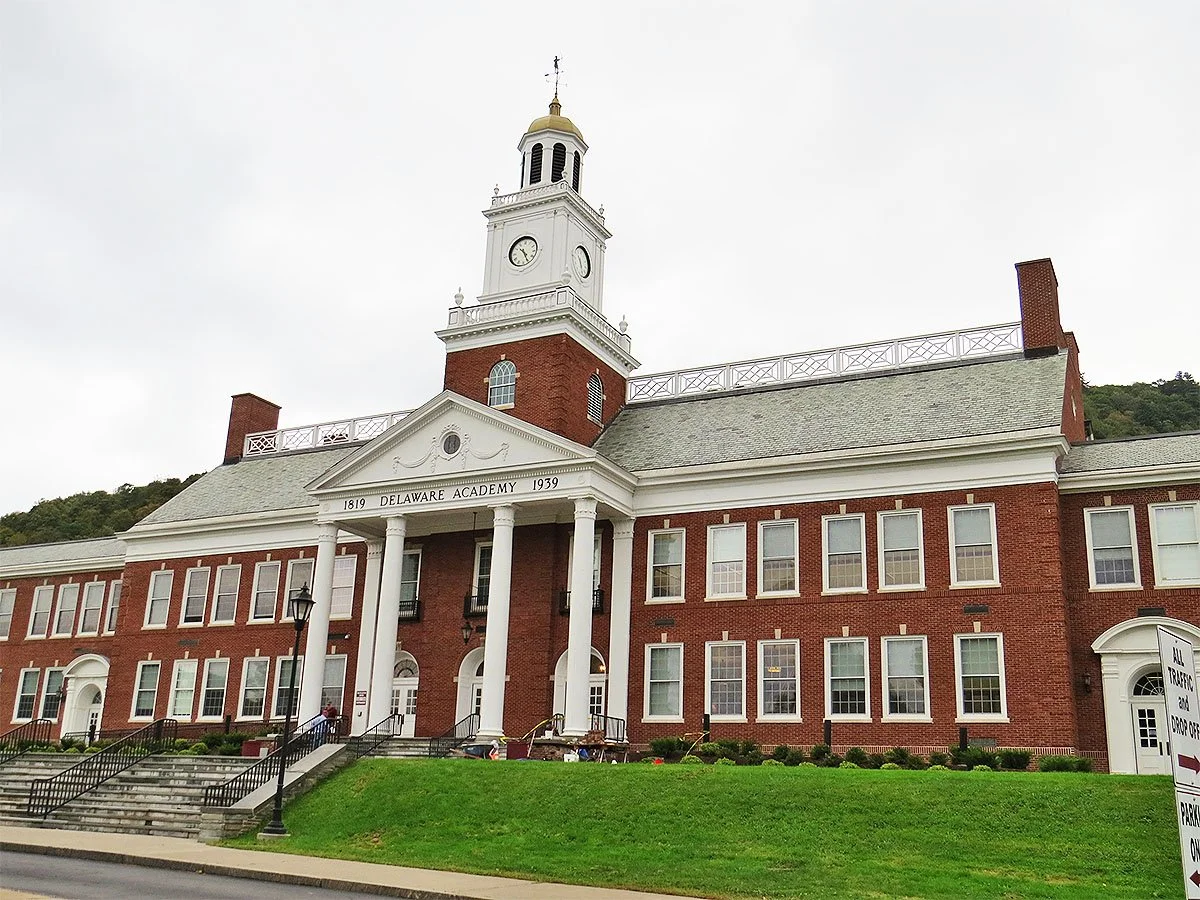
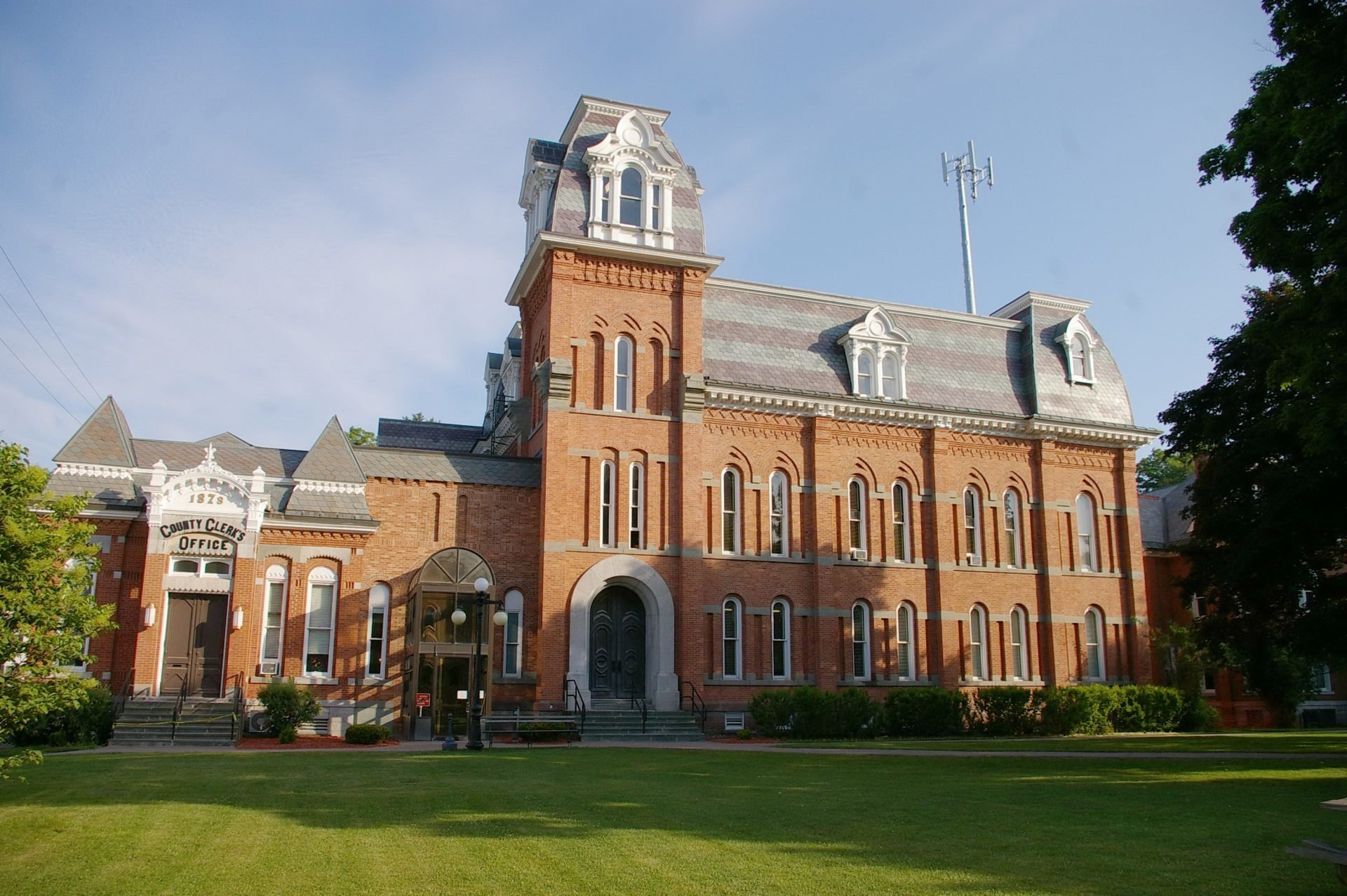
Respond to the design prompt provided in class to develop a proposal for a informational kiosk using the images below. This will be presented in a gallery format at the local chamber of commerce.
Provide the following information in your response:
Plan
Elevation
Rendering
Logo
(3) Inspiration
Sheet organized and laid out as a porduct of your vision / brand
Context Images:
PROJECT: FIRM ID (IN PROGRESS)
Over the semester, using the tools provided you will generate a design package for a design firm.
DELIVERABLES:
Each group will develop a structured business plan that includes the following and responds to s design brief provided at the midterm.
Foundational Identity
Focuses on the "Why" and "Who" of your firm.
Vision Statement: A high-level look at what the firm aspires to be in the long term (e.g., "To redefine rural urbanism through sustainable micro-architecture").
Mission Statement: A concise explanation of your firm's day-to-day purpose and how you serve your clients.
Core Values: 3–5 guiding principles that dictate your design ethics and professional conduct (e.g., Transparency, Innovation, Community-Centricity).
Personal Write-Up: This is the narrative "About Us." It should explain who you are as designers, what you do, and—most importantly—how you work (your unique process or methodology).
Strategy & Offering
Focuses on your competitive advantage and what you actually provide.
Critical Strengths: Identify what sets your group apart. Is it technical proficiency, rapid prototyping, local material expertise, or community engagement?
Products: Define your firm’s output. While the Kiosk is a primary example, list the types of services or architectural products your firm specializes in.
Location: Determine where your firm is "headquartered." This should align with your target market (e.g., Delhi, NY, to remain close to the Kiosk context).
Marketing Package (The Deliverables)
Focuses on the visual and digital representation of the firm.
The Logo: A visual mark that encapsulates the Vision and Mission. It should be professional and scalable for use on everything from site signs to business cards.
The Kiosk Integration: Use your Delhi Kiosk design as the "flagship" project for your portfolio. Use the plan, elevation, and rendering to demonstrate your firm's capabilities.
Demo Webpage: A digital storefront. This should house your portfolio, the personal write-up, and your contact information, organized according to your firm's "brand" or "vision."
Pecha Kucha
Presentation of answering the prompt “I am an architect”.
This should consist of 12 slides.
Each slide will be on the screen for 20 seconds.
You will answer the prompt through conversation and images.
DUE DATE:
Submission will be provided no later than 5 PM the Friday of Finals week as a single PDF organized and designed.
GRADING:
Grading will be completed on a failing, approaching, meeting and exceeding basis. See the grading section of the GRADING page for more information.