
Design Brief:
Students will conduct a field study of an existing, real-world project to better understand professional practice and the process of project development. Through on-site measurement, observation, and documentation, students will produce accurate drawings and analyses that culminate in a comprehensive field report.
Objectives:
The objective of this assignment is for students to work collaboratively to measure, document, and draw a real-world project, producing a clear and professional field report while developing teamwork, leadership, and organizational skills.
Duration:
This project will run from Week 1 to Week 2
Grading:
Rigor, Iteration & Investigation: 30%
Students will demonstrate a willingness to practice the craft of exhaustive exploration.
Design Communication: 60%
Students will be able to professionally communicate by writing, speaking and creating clear and accurate presentation graphics and architectural orthographic drawings.
Design Process: 10%
Student will be able to develop projects and problem solve using the iterative design processes.
Deliverables:
Your printed and bound field report should include the following:
Introduction to the building
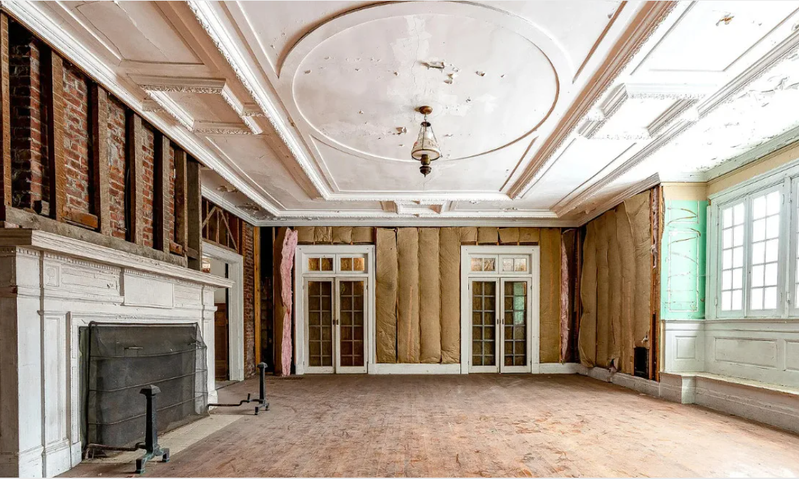
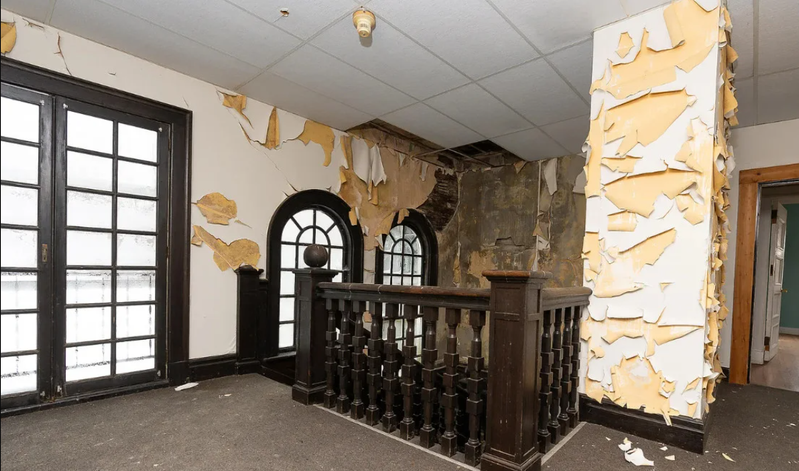
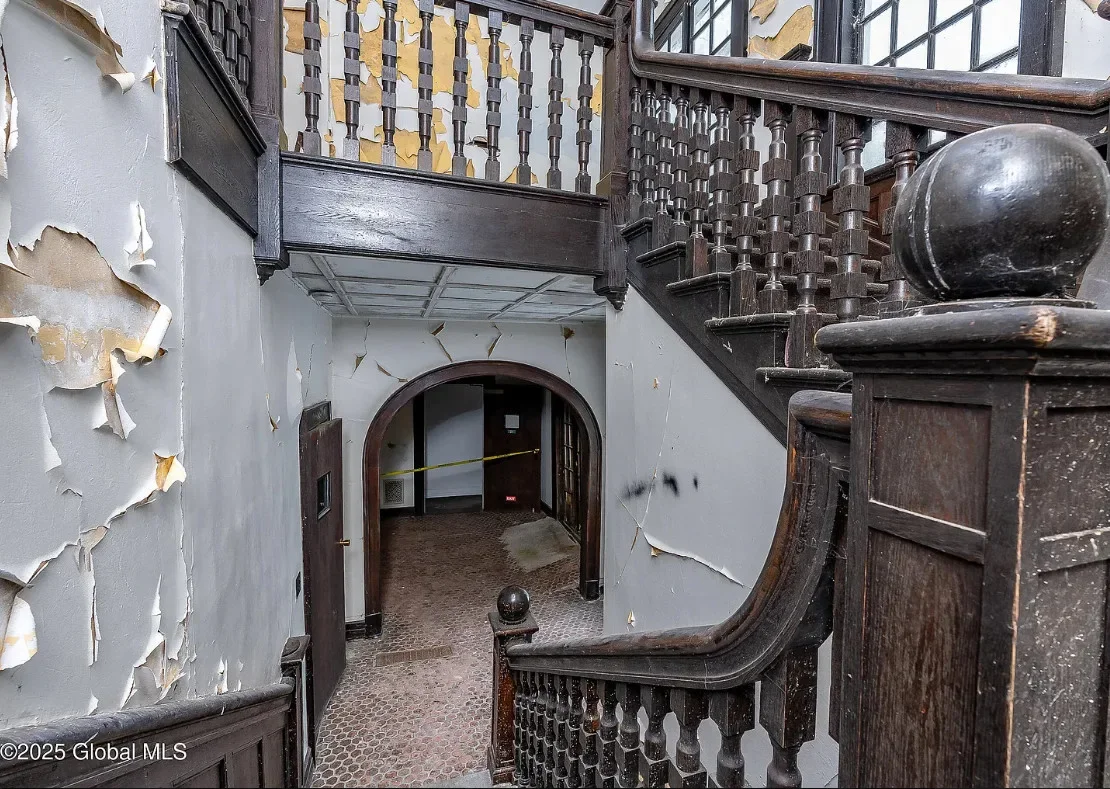
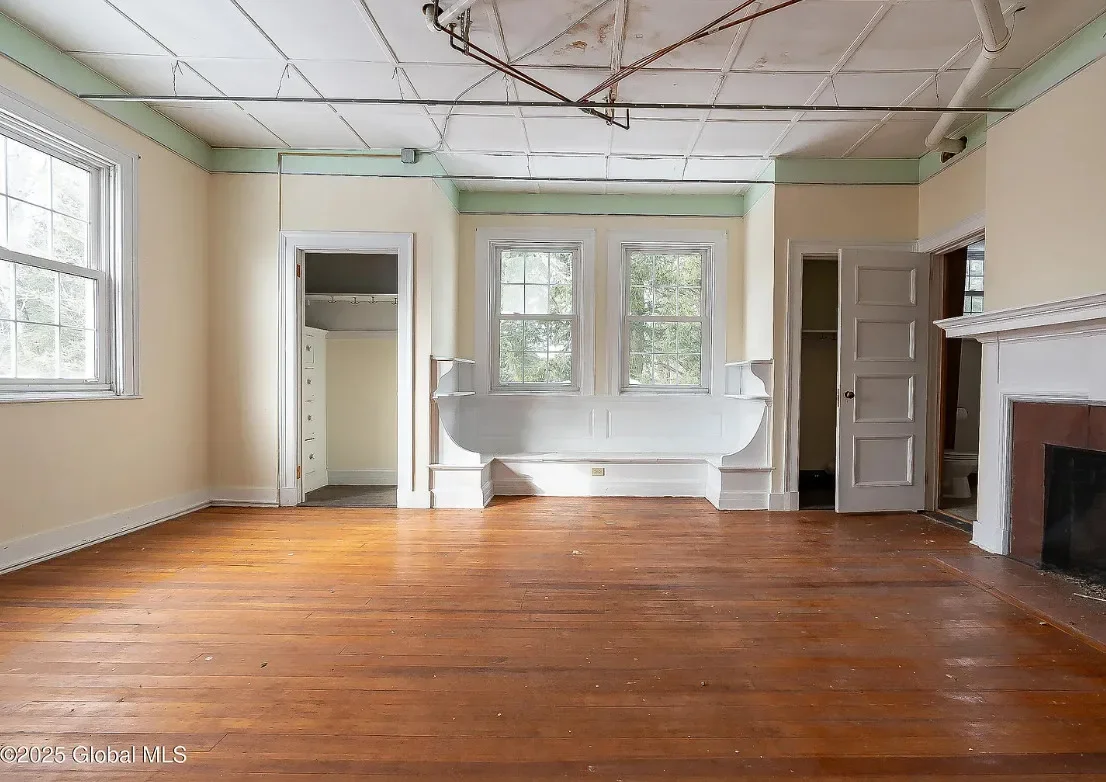
Current visual condition of the exterior and interior with images
Description of context with images
Verified existing drawings (base drawings will be provided)
Interior elevation of one unique room
Each room described with images
Areas of conncern
Proposed fix for room
Conclusion
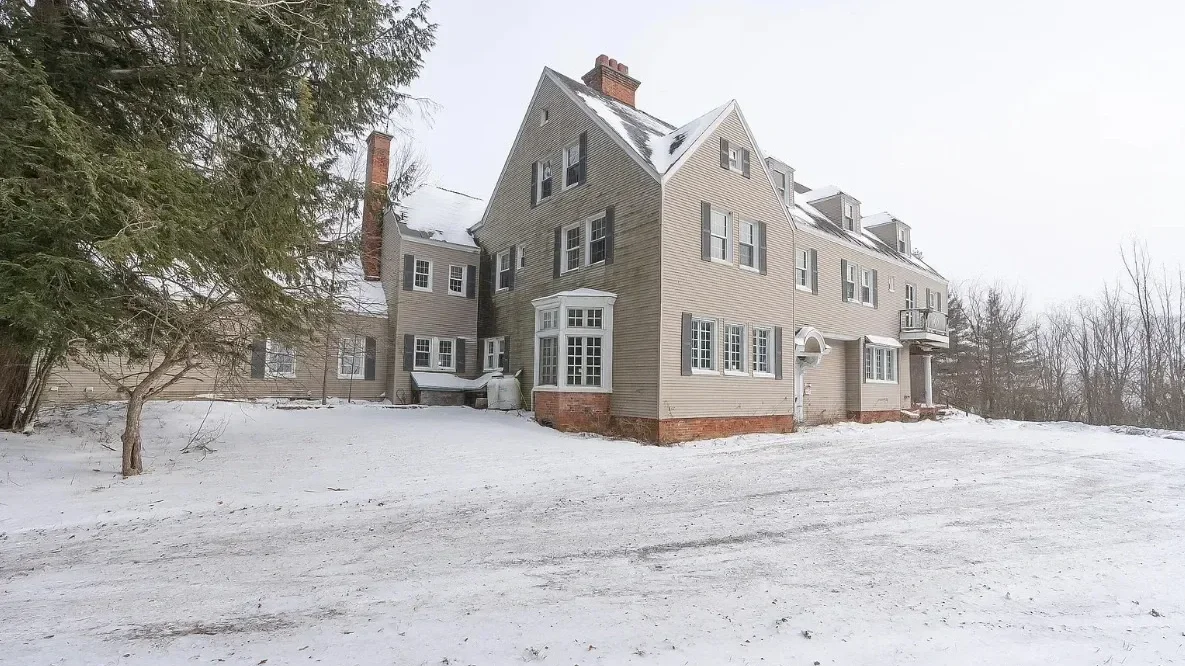
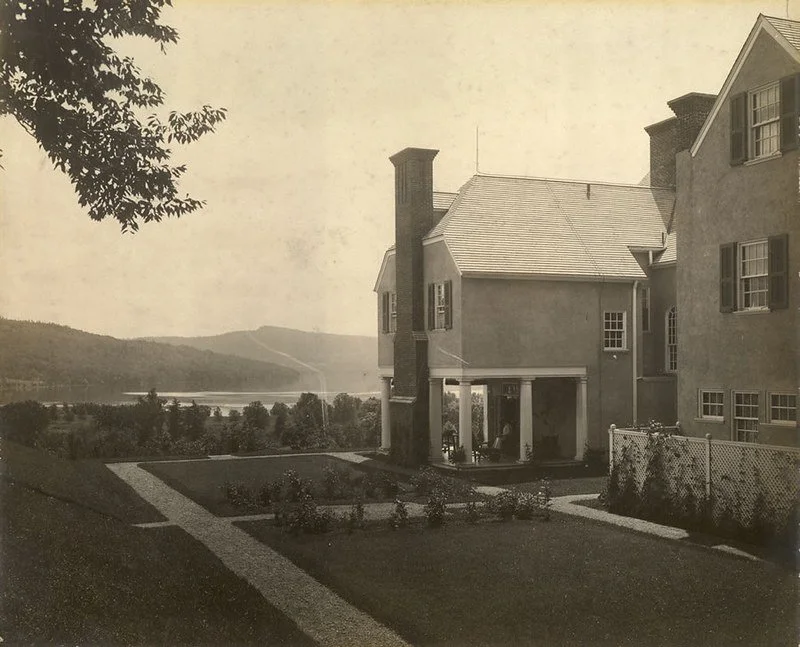
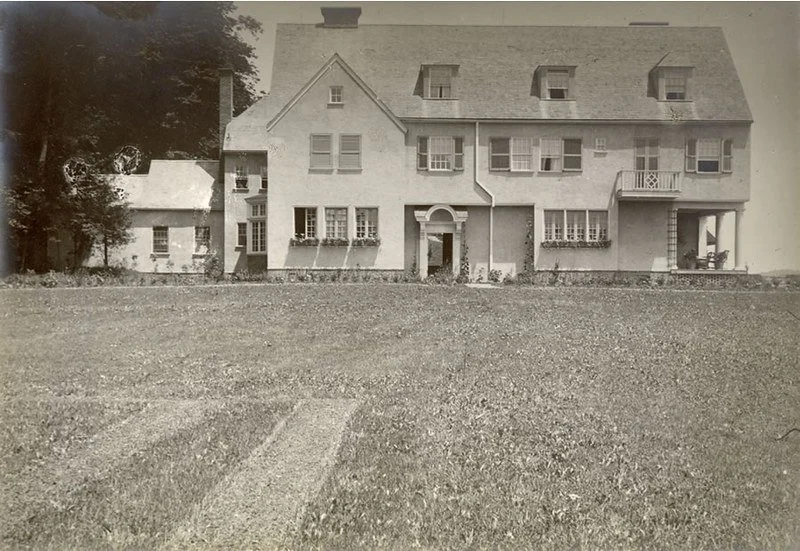
Ringwood Manor
Context (Ringwood Manor):
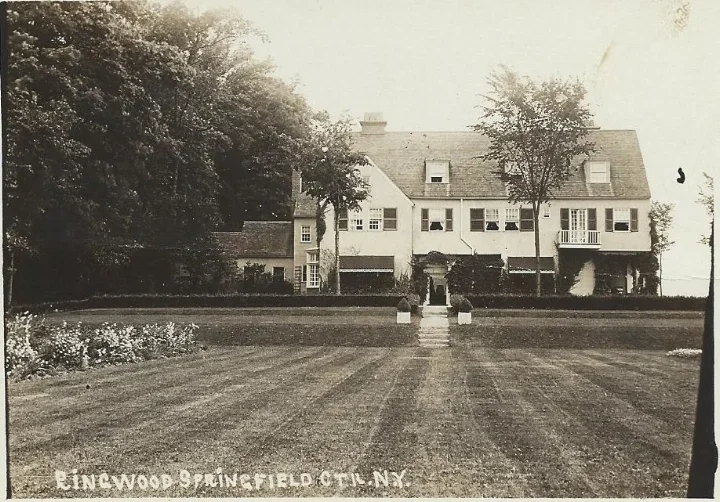
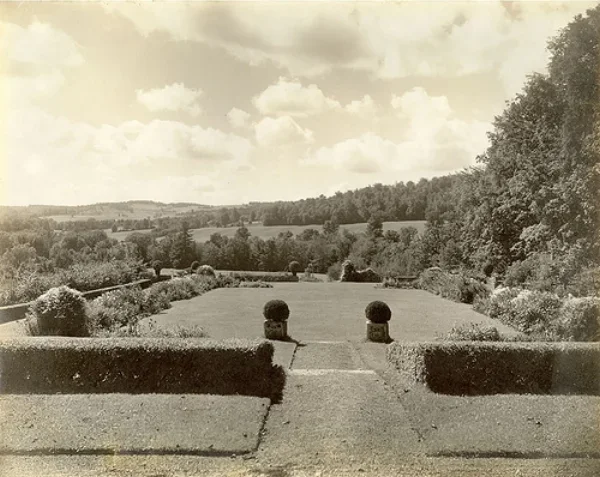
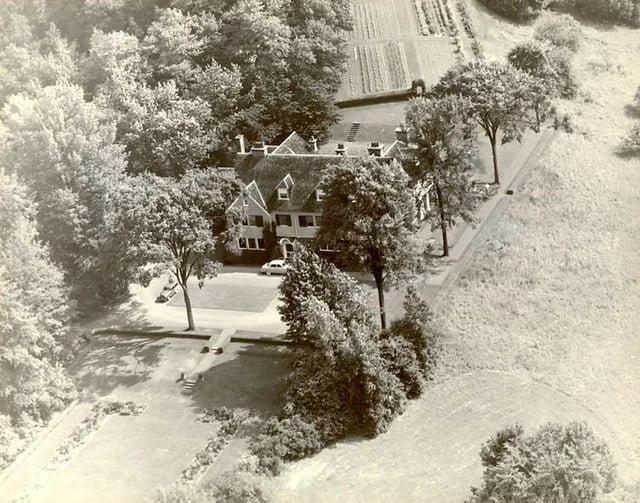
Originally part of land owned by the Whipple family, early settlers of Cooperstown, the property is deeply connected to Squire Whipple, whose pioneering work in iron bridge design transformed American infrastructure. Later, the estate became the summer home of Arthur L. Ryerson, a member of a prominent industrial family whose life was tragically cut short aboard the RMS Titanic in 1912.
In the mid-20th century, Ringwood entered a new era as Beaver Cross Camp, a beloved Episcopal retreat that welcomed generations of children and families, filling the manor with faith, laughter, and shared memory.
Today, Ringwood Manor is being thoughtfully restored by its new stewards with a commitment to honoring all of these histories, not just one chapter, but the full continuum of life on this land.
Light History (Schoolfield):
Arthur Ryerson, scion of a Chicago steel fortune, had a large English arts and crafts style cottage built at the head of the Lake in 1901. Named Ringwood Manor, the large but comfortable home became a favored residence for the Ryerson family, who also maintained a residence on the Main Line in addition to Chicago.
Unfortunately, the family’s name is best known today for the double tragedy that befell them in April of 1912. While traveling in Europe, the Ryerson’s received word that their oldest son had been killed in an automobile accident in Haverford. The grief-stricken Arthur, his wife Emily, along with their daughters Emily and Suzette and son Jack booked passage on the next steamship headed to New York from Cherbourg, the RMS Titanic. Arthur Ryerson lost his life in the sinking, and his son Jack was almost denied entrance to a lifeboat because he was thirteen at the time, too old to be considered a child according the officer in charge. The Ryerson family donated the estate to the Episcopal Church in the 1960s.